Current Location: Blog >
South Korea server
1.
overview: why choose korean servers and influencing factors
the experience of connecting to a korean server to play hearthstone is affected by many aspects.the first factor is network latency (ping), which often affects the immediacy of operations.
the second factor is bandwidth (uplink/downlink), which affects download patch, voice and live video quality.
the third is the vps/host specifications (cpu, memory, network card), which determines the concurrent connection processing capabilities.
the fourth is cdn and domain name resolution optimization, which can reduce static resource loading time.
the fifth is ddos protection and traffic cleaning capabilities to ensure long-term stable online performance.
2.
basic data on network latency and bandwidth (for hearthstone)
hearthstone is a turn-based card game, and its real-time requirements are lower than fps, but it still needs stable latency.ideal ping reference: local to seoul node should be ≤50ms, ≤80ms is also acceptable, >150ms will significantly affect the experience.
single device bandwidth requirements: real-time game data is usually very small, and a stable 1–3 mbps can support games and voice.
patch/update and resource download peak periods will consume tens to hundreds of mbps, so it is recommended to reserve bandwidth.
the impact of jitter and packet loss on the connection experience is greater than the peak bandwidth. jitter ≤10ms and packet loss ≤0.5% are optimal.
3.
simultaneous online bandwidth calculation and recommendation for multiple devices (including tables)
calculation principle: total bandwidth = peak demand per device × number of devices + 20% redundancy.additional considerations for voice/live streaming: 720p live streaming is about 2.5–4 mbps; voice calls are about 64–128 kbps/person.
the example table provides common concurrent device scenarios and recommended bandwidth (including uplink requirements).
table example (the values in the table are recommended values, and the units are mbps):
| number of concurrent devices | average bandwidth of a single device | it is always recommended to go down | recommended to go up | remark |
|---|---|---|---|---|
| 1 | 3 | 3 | 1 | single machine is preferred within 50ms. |
| 2 | 3 | 6 + 20% = 7.2 | 2 | contains one voice |
| 5 | 3 | 15 + 20% = 18 | 4 | home/small internet cafe |
| 10 | 3 | 30 + 20% = 36 | 6 | multi-person live broadcast or teaching |
| 20 | 3 | 60 + 20% = 72 | 12 | small game or internet cafe |
in addition, if 720p live broadcast is performed at the same time, each stream will have an additional +3 mbps uplink budget.
4.
server/vps configuration suggestions and real cases
entry vps (fits 1–5 devices): 2 vcpu, 4 gb ram, 50 gb nvme, 100 mbps shared bandwidth.advanced vps (for 5–20 devices): 4 vcpu, 8 gb ram, 100 gb nvme, 300–500 mbps guaranteed bandwidth or 1 gbps ports.
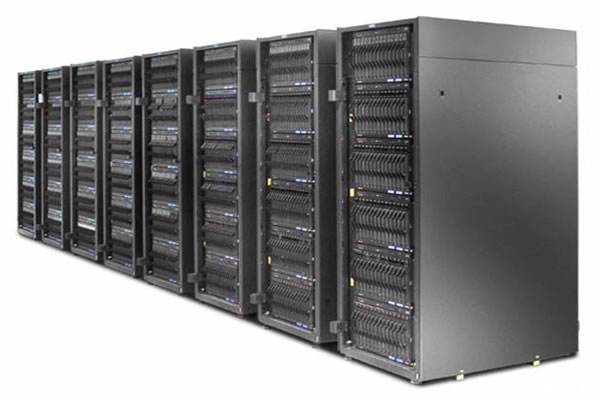
recommended dedicated server (competition/live broadcast computer room): intel xeon e3/e5, 16–32 gb ram, 1 tb nvme, 1 gbps dedicated port, bandwidth sla ≥ 1 gbps.
real case: a domestic anchor tested at a seoul node, using a korean kvm vps (4 vcpu/8 gb/100 gb nvme/500 mbps guaranteed bandwidth). the measured stable ping was ~42 ms, the average iperf3 tcp throughput was 480 mbps, and the live broadcast was 720p without lag.
another case: a small internet cafe uses a dedicated server for local acceleration and dns caching to reduce cdn hit delays and shorten the overall login time by about 15%.
5.
cdn, domain name and ddos protection practical suggestions
cdn purpose: distribute patches, images and static resources to korean nodes to reduce long-distance bandwidth and pull delays.it is recommended to use anycast dns with a multi-node cdn (cloudflare, akamai, tencent cloud cdn, etc.) to improve availability.
domain name resolution: set the ttl appropriately (such as 60–300s) to switch traffic to the backup node.
ddos protection strategy: use upstream cleaning (scrubbing). threshold example: common basic cleaning threshold is 100–300 gbps. for important nodes, it is recommended to use suppliers with tb-level cleaning capabilities.
boundary policy: enable rate limiting, connection tracking timeout adjustment, bgp flowspec and black hole routing (use null route with caution to avoid accidental injury).
6.
operations, monitoring and optimization steps (including test data examples)
do a baseline test before going online: use iperf3 to measure bandwidth. the goal is to achieve stable throughput of more than 90% of the bandwidth port. example: iperf3 tcp 480 mbps, udp packet loss <0.2%.latency and jitter measurement: continuously ping the seoul node 100 times, the average ping=42 ms, and the jitter (standard deviation) is about 4.8 ms.
traffic monitoring: deploy prometheus + node_exporter + grafana to display network card throughput, number of connections, packet loss rate, and tcp retransmission rate.
traffic shaping: use tc qdisc (htb/tbf) for uplink speed limiting and priority policies to ensure that game packets are forwarded first.
daily operation and maintenance list: scheduled backup, patch window (off-peak hours), vulnerability scanning, ddos event plan and upstream communication list (isp, cleaning plant, computer room).
- Latest articles
- Key Considerations Regarding Qualifications And Technical Support When Selecting A Service Provider For The CN2 Server Cluster In South Korea
- Recommended Singapore IPLC Dedicated Servers For Security And Compliance – Case Studies On Data Encryption And Dedicated Channel Deployment
- A Practical Guide For Nationwide Deployment Strategies And Network Coverage Optimization Based On Korean Servers
- Actual Measurement Summary Of Hong Kong Native Ip Hong Kong Cn2 Comparison With Other Mainstream Direct Connection Effect Reports
- Anonymity And Ip Pool Size That You Must Pay Attention To When Choosing A Native Proxy Ip In Vietnam
- How To Open A Vps Server In Taiwan? Analysis On Saving Money Strategies With Discounts And Long-term Contracts
- A Step-by-step Explanation Of Common Problems And Rollback Strategies For Vietnam Server Upgrades
- Cn2 Us Dedicated Server Performance Comparison And Enterprise Rental Guide Detailed Explanation
- How To Make Japanese Cloud Server Comparison And Purchase Decisions Based On Business Scenarios
- Stability Evaluation Of Taiwan’s Native Residential Ip’s Packet Loss And Delay Performance Under Long-term Connections
- Popular tags
Taiwan High-defense Cloud Host
Reasons For Selection
Evaluation Indicators
Bandwidth Package
Overseas Host
Taobao
Cloud Host Plan
Taiwan Local Website
Network Monitoring
Sftp
Taiwan Special Line
Server Selection
Business Expansion
Dial Cloud Server
Taiwan Mosha Server
Application Examples
A Guide To Choosing Low-Cost Taiwan VPS Cloud Hosting Advantages
Taiwan Vps Native Ip
Taiwan Airport Native Ip Node Monitoring Automatic Switching Vps Server Load Balancing Ddoscdnbgpkeepalived
Chunghwa Telecom
Low Latency Vps
Cache Optimization
Innovative Applications
Promotion Season
Network Provider
Alibaba Cloud
Start-up Projects
Taiwan Ipfs Cloud Server
Website Setup
Host Optimization
Related Articles
-
How To Implement Korean Native Ip To Achieve Multi-line Redundancy And High Availability Design Scheme
native ip multi-line redundancy and high availability design solution for korean users, including line selection, server/vps configuration examples, bgp/bfd strategies, load balancing and cdn integration, ddos protection and real cases. -
Korean Cloud Server User Experience Evaluation And Advantages And Disadvantages Analysis
in-depth evaluation of the user experience of korean cloud servers, including pros and cons analysis, helping users choose the best and cheapest cloud servers. -

Understanding How Much A Server In South Korea Costs Will Help You Plan Your Budget
this article will delve into the price of korean servers and their impact on budget planning, helping users better choose the appropriate server solution.